
In 2008, the OACPS, European Commission, and UN-Habitat launched the Participatory Slum Upgrading Programme (PSUP), working in over 190 cities across 40 countries to enhance the lives of millions in informal settlements.
The program addresses not just basic infrastructure but also safe housing, clean water, sanitation, secure tenure, waste management, gender equity, youth empowerment, climate resilience, and human rights, emphasizing that lasting change must start with the communities themselves.
In Accra, Ghana, this belief took shape in the form of a citywide strategy to upgrade informal settlements. The first phase focused on listening.
Through a participatory process involving residents, civil society groups, and local authorities, the PSUP team helped develop a strategy that informed the Accra Metropolitan Assembly’s development plan, ensuring that excluded voices became central to decision-making.
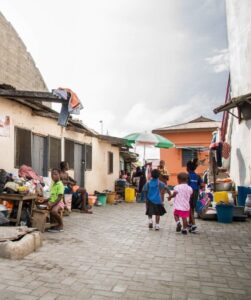
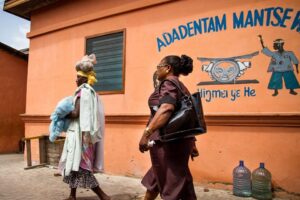
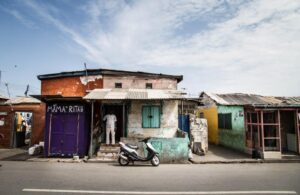
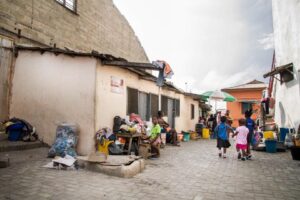
As the work moved into its second phase, the community of Ga Mashie (GM) was selected as the focus of a pilot intervention. One of Accra’s oldest informal settlements, GM is densely built and overcrowded, with narrow passageways and aging infrastructure.
The community faces serious challenges: insecure land tenure, poor sanitation, unreliable access to clean water, ineffective drainage, frequent flooding, limited street lighting, youth unemployment, and scarce financial resources.
But the project didn’t begin with bulldozers or blueprints—it began with people. Residents organized to form the Ga Mashie Community Development Committee (CDC), a legally registered body composed of local groups and representatives. With training and support from PSUP, the CDC took charge of managing a community development fund and coordinating local projects.
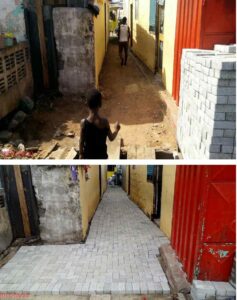
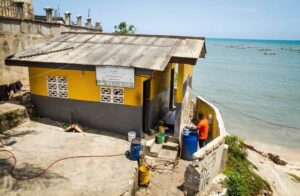
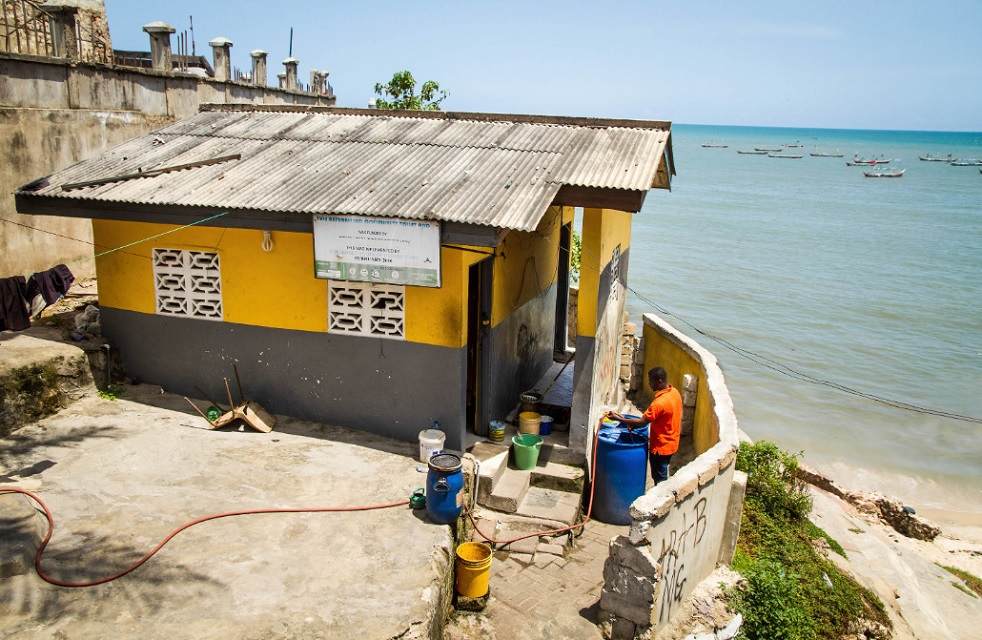
What followed were a series of targeted, high-impact actions: a new waste management system, a community homework and resource centre for children, over 5 kilometres of newly paved alleys, the installation of in-house toilets, and the extension of water supply lines to individual homes. Each initiative responded directly to needs identified by the community itself.
Residents actively shaped the process and outcomes, leading to tangible improvements and fostering local leadership. Ga Mashie’s transformation is not only a local success but also a model for inclusive, sustainable urban development in Ghana and beyond.
Accra, like many rapidly urbanizing cities, faces significant challenges in its informal settlements, where a large proportion of the population lives in precarious conditions. These areas are often overcrowded, with poorly constructed housing and inadequate infrastructure. Narrow, unpaved alleys contribute to severe congestion, restricting access for emergency services and limiting mobility for residents.
Drainage systems, where they exist, are often ineffective or blocked, leading to frequent flooding and stagnant water, which poses health risks. The absence of in-house toilets and inadequate sanitation facilities results in widespread open defecation and poor hygiene, further exacerbating public health concerns. Waste is commonly dumped in open spaces or drains, contributing to pollution and environmental degradation.
Insecurity is another pressing concern. Many residents live without legal tenure, making them vulnerable to eviction. Public lighting is scarce, increasing safety risks, especially at night. High levels of youth unemployment persist, driven by limited access to education and job opportunities. Women and girls face additional barriers, including restricted access to resources and decision-making spaces, reinforcing cycles of poverty and inequality. Together, these interlinked challenges create deeply rooted social, economic, and environmental vulnerabilities across Accra’s informal settlements.
The Participatory Slum Upgrading Programme (PSUP) in Accra targets improved living conditions in informal settlements, starting with Ga Mashie (GM) as a pilot. The project combines infrastructure upgrades with social and economic development, aligning with multiple Sustainable Development Goals (SDGs).
To advance SDG 11 (Sustainable Cities), the initiative improves alleys, drainage, and land tenure for enhanced mobility and housing security. Aligned with SDG 6 (Clean Water), it extends water supply lines and builds toilets, while a community-led waste management system promotes hygiene and environmental health.
SDG 8 (Decent Work and Economic Growth) is supported through job creation and access to microfinance, particularly benefiting women and youth. These efforts promote entrepreneurship and reduce unemployment. To meet SDG 4 (Quality Education), the formation of the Ga Mashie Community Development Committee (CDC) ensures community participation. The CDC and local groups receive training to manage projects and financial resources.
The project also contributes to SDG 13 (Climate Action) through environmental awareness and green infrastructure, and to SDG 17 (Partnerships for the Goals) by strengthening collaboration across community, institutional, and government levels.
The Participatory Slum Upgrading Programme (PSUP), in collaboration with local communities, implemented a series of targeted interventions in Ga Mashie (GM) to address long-standing infrastructural and socio-economic challenges. Key priorities included road paving, drainage, sanitation, and access to financial resources through Community Managed Funds (CMFs).
Infrastructure upgrades consisted of paving over 5 kilometres of alleys and constructing drainage canals, which significantly reduced flooding and improved internal mobility.
Public and street lighting installations enhanced safety conditions, with an estimated impact on over 100,000 residents. A newly established community centre now provides a secure learning environment for more than 1,300 schoolchildren, offering both academic support and vocational training.
The CMFs played a crucial role in fostering economic development. Over 200 women and youth accessed micro-credit facilities, promoting entrepreneurship and livelihood diversification. The revolving nature of the fund, now managed by a local bank, ensures continued access to capital for future beneficiaries, reinforcing financial inclusion at the community level.
Seven CMF-supported projects further improved solid waste collection, water supply, and public spaces, contributing to a cleaner and more functional urban environment. These efforts also informed the World Bank-funded Greater Accra Urban Resilience and Integrated Development Project, indicating the scalability and policy relevance of the intervention.
The initiative’s outcomes span several dimensions: improved access to basic services, enhanced public safety, increased employment, and stronger community governance.
The formal recognition of the Community Development Committee (CDC) institutionalized local participation, reinforcing the sustainability of community-led urban development. Collectively, these actions contributed to improved living conditions and laid the foundation for inclusive, resilient urban growth.