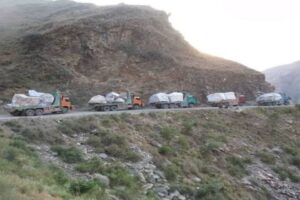
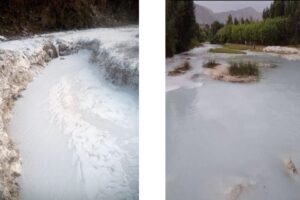

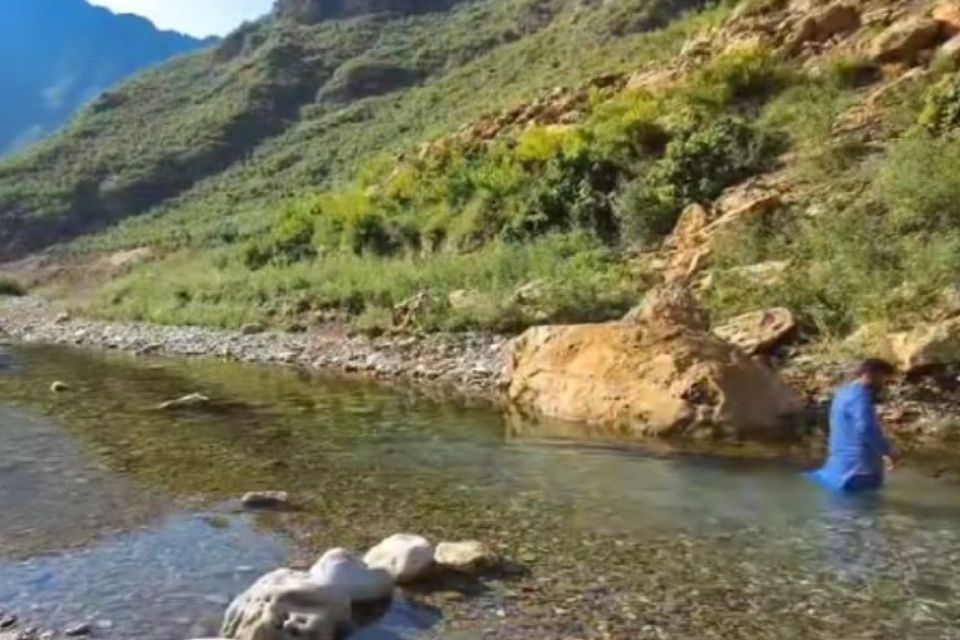
In the heart of Pakistan’s Buner district, the marble industry had long been the backbone of the local economy, providing jobs and contributing to livelihoods. Yet, beneath its economic success lay a severe environmental crisis. Over 500 marble units in the region had been dumping waste into rivers and water sources for years, creating a toxic wasteland. The rivers, once teeming with life, had become contaminated, and the consequences were dire: unsafe water, the spread of waterborne diseases, and the collapse of local fish populations.
The Buner EcoFlow Revitalization Project was born out of this urgent need for change. The community, heavily reliant on the marble industry, faced its first challenge: how to restore hope in a district where many believed the damage was irreversible. How could a community trust that change was possible? This question was the heart of the project’s journey.
The project approached the crisis with a two-pronged strategy: immediate action to address the pollution’s current impact and long-term transformation to ensure sustainability. First, the team set up a water quality testing lab to understand the full extent of contamination. At the same time, clean drinking water was provided through strategically placed water tanks and pumps, and awareness campaigns began to educate the community on the severity of the issue.
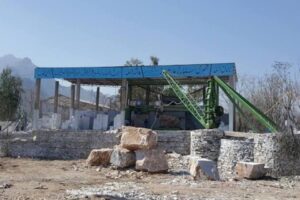
The marble industry, the root of the pollution, had to be transformed. This was no easy task, as it required relocating the marble factories to a designated 50-hectare industrial zone. It meant shifting an entire industry to eco-friendly practices, all while ensuring that workers’ jobs weren’t lost in the process. Community buy-in was essential. But with steady communication and involvement, change began to take root.
The project’s long-term vision focused not only on cleaning the water but on restoring the district’s aquatic ecosystems. Biodiversity began to rebound as local fish populations recovered.
As the project progressed, the relocation of marble factories to eco-friendly zones reduced the environmental impact and set an example for future industrial development across Pakistan. The community began to embrace sustainable methods, understanding that environmental conservation and economic growth could coexist.
With cleaner water, healthier ecosystems, and an engaged community, the Buner EcoFlow Revitalization Project had made significant strides. The challenge now was ensuring these changes were permanent. What began as a daunting task has become a symbol of resilience, proving that with determination and collaboration, transformation is possible.
The Buner EcoFlow Revitalization Project was born out of an environmental crisis that had brought Buner district to the brink. For years, over 500 marble units had been dumping waste into the rivers, poisoning the water and putting aquatic life in grave danger. The once-thriving ecosystems had been choked by pollutants that exceeded safe limits, making the water unsafe to drink and causing the collapse of fish populations.
The first challenge the project faced wasn’t just cleaning the water and solving public health problems; it was restoring hope to a community devastated by years of neglect. The project knew it needed a two-pronged approach: immediate relief and long-term transformation. The first step was to establish a water quality testing lab to measure the contamination and provide immediate access to safe drinking water through strategically placed tanks and pumps.
But the real challenge lay in transforming the very industry that caused the pollution. The marble factories had to be relocated to a 50-hectare eco-friendly industrial zone, requiring not just industrial change, but a shift in mindset from both factory owners and the community.
Though the progress was already visible — cleaner water, revived fish populations, and a more engaged community — the true challenge remained: ensuring these changes were permanent and sustainable for future generations.
The Buner EcoFlow Revitalization Project was created in response to the environmental crisis in Buner district, where pollution had poisoned rivers and water sources, making the water unsafe and endangering aquatic life. Dangerous pollutants surpassed World Health Organisation’s safety standards, causing waterborne diseases and devastating local fish populations.
To combat this, the project acted quickly on immediate actions and on the long term:
The project started by setting up a water quality testing lab, raising public awareness educating the community on the issue, and installing water tanks and pumps to provide clean, chlorinated water.
In the long term, the project plans to relocate marble factories to a 50-hectare eco-friendly industrial zone, restore the local aquatic ecosystems to bring back biodiversity and introduce sustainable practices within the marble industry.
Ultimately, the project’s goal is to improve water quality, promote sustainable practices, and engage the community in protecting their environment for future generations. Through these efforts, Buner is on the path to recovery, with cleaner water and a healthier ecosystem.
The Project has already made an extraordinary impact on both the environment and the community, marking a new chapter for the region. The project’s most immediate success has been in enhancing water quality. A significant reduction in industrial pollutants has transformed the once contaminated rivers and groundwater into safer sources of drinking water. This improvement has not only made the water safe for consumption but has also brought life back to the ecosystem. The rivers, once choked with pollutants, are now beginning to breathe again aligning with international safety standards.
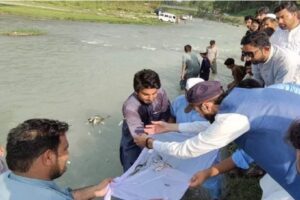
Equally important is the restoration of biodiversity and aquatic ecosystems. Local rivers, which had once seen a steep decline in fish populations due to pollution, have witnessed a remarkable revival. Native fish species are now thriving again, signalling the beginning of a healthier and more balanced aquatic environment. This resurgence of biodiversity is a testament to the project’s success in rehabilitating these vital ecosystems, ensuring that they can sustain life for years to come.
The project has also had a profound effect on public health. With improved water quality, there has been a noticeable decline in waterborne diseases.
Furthermore, environmental awareness has flourished. The project’s outreach and public awareness campaigns have not only educated the community about the severity of pollution but also inspired them to actively participate in environmental conservation efforts.
A key achievement of the project has been the relocation of marble factories to eco-friendly zones, which has significantly reduced the industry’s ecological footprint. This move sets a benchmark for sustainable industrial practices in the region, showing other sectors the importance of prioritizing environmental health.
Finally, the project has contributed to the enhanced greenery and aesthetic appeal of the area. The district, once scarred by industrial waste, is slowly blooming with lush green spaces, improving both the region’s beauty and the quality of life for its residents. The Buner EcoFlow Revitalization Project is not just cleaning rivers — it’s reshaping the landscape for future generations.