
In the outskirts of Tirana, where narrow streets weave through dense neighbourhoods and infrastructure often falls short of need, a quiet revolution is gathering speed. It doesn’t roar with engines or demand sweeping policy changes overnight. Instead, it rolls forward on two wheels—driven by the conviction that everyday movement can reshape lives and cities alike.
Active Mobility, a non-governmental organization based in Albania’s capital, focuses on reimagining urban navigation through sustainable transport solutions.
They prioritize people over traffic, particularly supporting young individuals from low-income families in suburban areas where safe and affordable mobility options are limited.
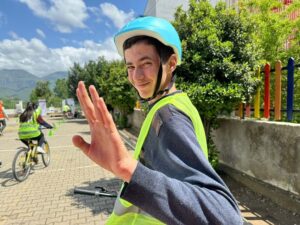
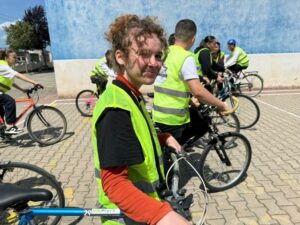
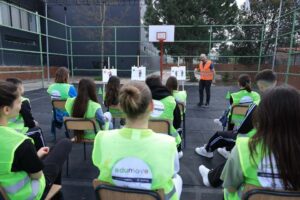
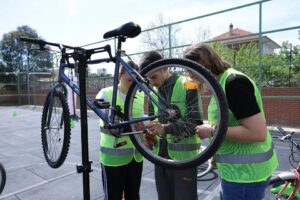
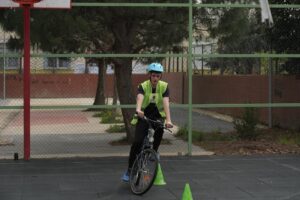
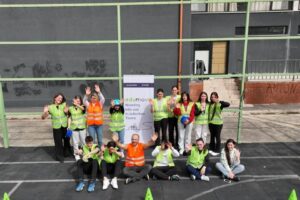
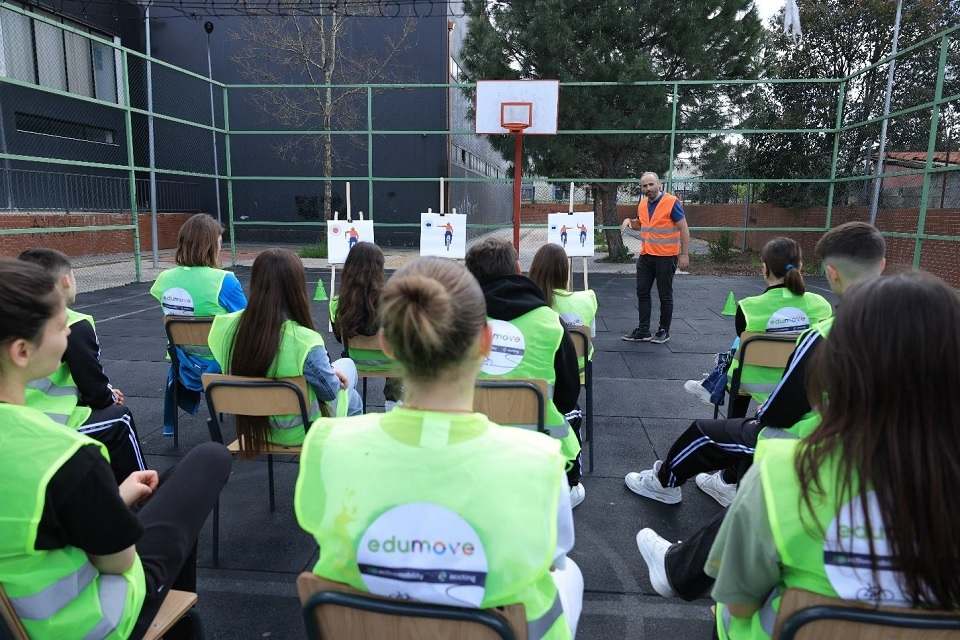
Workshops are held in schoolyards and community centres, where students learn to ride safely, maintain their bikes, and understand their rights on the road. These sessions, led by cycling instructors, volunteers, and even older students, become spaces of learning, collaboration, and confidence-building.
To remove economic barriers, Active Mobility partners with local bike shops and businesses to offer affordable bicycles and safety gear, ensuring that cost doesn’t stand in the way of participation. Meanwhile, schools are being encouraged to integrate cycling education into their curriculum—embedding it not as a one-off event but as a long-term commitment.
The goal is ambitious but achievable: a 10% increase in student bike use within the first year. But the vision stretches far beyond numbers. Edu Move aims to cultivate habits that last, habits that make movement healthier, cities cleaner, and young people more connected to their communities.
In a city where daily commutes often mean long waits or long walks, the simple act of riding a bike becomes something greater—a declaration of independence, a gesture toward a more inclusive future, and a step, or pedal, toward a city that moves differently.
Their latest initiative, Edu Move: Boosting Bike Use in Suburban Tirana, takes this mission into new terrain. The project is designed to introduce cycling into the daily routines of secondary school students aged 14 to 18, using the bicycle as a tool for empowerment, environmental awareness, and social inclusion.
The approach is hands-on and holistic. New cycling routes are being mapped and marked to link schools with homes, parks, and key local services.
The suburban districts of Tirana face a complex set of mobility and urban development challenges that disproportionately affect young people from low-income families. These areas are characterized by densely built neighbourhoods and narrow, often unplanned streets that were not designed to accommodate current levels of motorized traffic.
As a result, congestion is frequent, and the existing infrastructure is poorly suited to support safe, efficient, or inclusive modes of transportation.
Public transport options in these districts are limited and often unreliable, leading many residents to rely on private vehicles or informal transport systems.
This dependence increases traffic volume, exacerbates air pollution, and limits access to safe alternatives for those without the means to own a car—particularly adolescents who depend on walking or cycling to reach schools, services, or social activities.
The lack of dedicated pedestrian paths and cycling routes further isolates these communities, reinforcing patterns of exclusion and reducing opportunities for physical activity, independence, and social engagement among youth. For many, mobility remains a daily obstacle rather than a tool for empowerment. In this context, the right to safe, healthy, and affordable movement remains unequally distributed across the urban landscape of Tirana.
Edu Move is a project designed to contribute to the achievement of the Sustainable Development Goals (SDGs) through targeted interventions in the suburban districts of Tirana. Its primary focus lies in promoting health, environmental sustainability, and improved urban mobility for adolescents, particularly secondary school students.
By encouraging daily bicycle use among young people, the project supports healthier lifestyles. Regular cycling has been shown to reduce the risk of conditions such as obesity and cardiovascular disease, while also promoting psychological benefits through increased autonomy and daily physical activity.
Edu Move addresses urban sustainability by advocating for cycling as a practical alternative to motorized transport. The initiative includes the development of safe, accessible cycling routes that aim to reduce traffic congestion and pollution in suburban areas. These efforts contribute to more inclusive and environmentally responsible urban environments.
The implementation and expansion of the project are supported by collaborations with local schools, businesses, and the municipal government. These partnerships provide critical resources, infrastructure, and institutional backing, allowing Edu Move to scale its impact beyond the immediate pilot areas and serve as a model for other urban settings.
Since its launch, the project has achieved notable progress in promoting sustainable mobility and advancing social equity using bicycles among secondary school students in Kamëz. By addressing both infrastructure and behavioural aspects of mobility, the initiative has begun to reshape how young people move through their environment.
Cycling Participation: Bicycle usage among the target demographic has risen significantly. Within the first six months, 49% of the project’s overall goals were accomplished, largely through targeted actions such as the distribution of bicycles and delivery of structured safety training. These measures have provided practical support to students who previously lacked access to affordable and reliable transportation.
Educational Outreach: Training sessions on cycling safety, road awareness, and basic bicycle maintenance have been conducted across five secondary schools. More than 60 students have received bicycles along with practical instruction. These sessions have been designed to equip participants with the knowledge and confidence needed for everyday cycling, with particular attention to ensuring participation by girls and students from socioeconomically disadvantaged backgrounds.
Community Involvement and Infrastructure Support: The project has fostered broad community engagement, receiving consistent support from students, school staff, and local stakeholders. Collaboration with the Municipality of Kamëz has resulted in technical consultations and planning inputs for the development of new cycling corridors. These improvements aim to enhance local infrastructure and ensure safer, more accessible routes for non-motorized transport.
Sustainability and Inclusion: Sustainability has been a guiding principle in all project activities. By working with schools to incorporate cycling education into the curriculum, the project supports long-term behavioural change. Emphasis has been placed on addressing gender imbalances, offering tailored outreach and support to encourage participation by female students. The integration of cycling into daily routines not only promotes healthier lifestyles but also reinforces the principles of environmental responsibility and urban resilience