

In the gently undulating landscape of Galicia, Lalín stretches across the Deza region like a quiet constellation of towns and villages. As one of the largest municipalities in the area, it is home to over 20,000 people, dispersed between its urban centre and a patchwork of 51 parishes and 328 rural settlements. Its location—known locally as «Kilometre Zero»—places it at an almost equal distance from the region’s main cities, giving it a unique sense of balance and accessibility.
Lalín’s character is shaped by its land. Agriculture and livestock farming have long been the backbone of life here, while two industrial parks offer a different rhythm—one of machines, logistics, and modern enterprise. But tradition is never far away.
Each year, the Cocido Fair draws thousands in celebration of the local dish, a rich stew that’s as much about flavour as it is about memory, belonging, and shared identity.
Yet behind this sense of continuity lies a quieter challenge: depopulation and isolation in rural areas. With so many residents spread across small hamlets, creating a strong social fabric requires more than roads and services—it demands connection. That’s where Lalín’s new project begins.
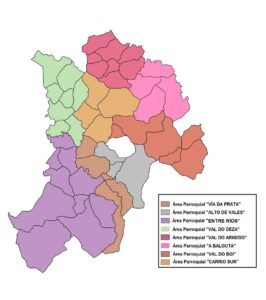
Eight “Parish Areas” have been thoughtfully designed as social and service hubs, each bringing together nearby parishes based on geography, demographics, ease of travel, and local needs. These aren’t just administrative divisions—they are lifelines intended to bring vitality and opportunity to every corner of the municipality.
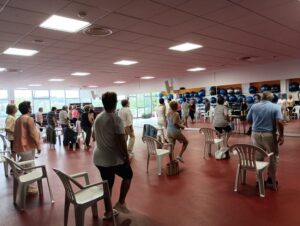
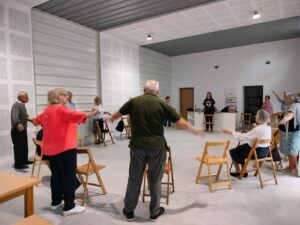
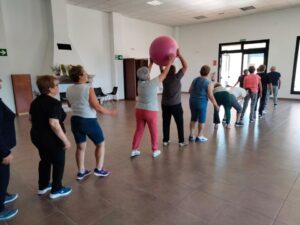
The plan focuses on both renewing existing community centres and building new ones where needed. A major emphasis is placed on programs for older residents—especially those over 55—who make up a significant portion of the population. Lalín Activa, a program that has already shown strong results, will continue to offer workshops in cognitive stimulation, occupational therapy, crafts, gymnastics, and more.
The Parish Areas will host initiatives such as digital literacy and cybersecurity training, health workshops, employment support, environmental awareness, intergenerational events, and campaigns to prevent violence against women in rural areas.
These efforts go beyond a development strategy; they renew the promise of community. In Lalín, every parish matters, every voice counts, and everyone, young or old, plays a role in shaping the future.
Lalín, a municipality with a highly dispersed population across 51 parishes and 328 rural settlements, faces a complex set of social, demographic, and environmental challenges. One of the most pressing issues is the aging population. A significant portion of residents are over 55, many of whom experience social isolation, limited mobility, and difficulties in accessing both health services and community resources. This isolation is compounded by limited digital literacy, which prevents many older adults from benefiting from new technologies, online services, and communication tools that could otherwise support their independence and well-being.
Geographical dispersion further deepens inequality, making it difficult to provide uniform access to education, employment, and social programs. Many inhabitants face barriers to entering or remaining in the workforce due to age, limited qualifications, or the lack of local job opportunities.
Additionally, climate change poses growing risks for rural areas like Lalín, where aging infrastructure and low awareness of sustainable practices increase vulnerability. Environmental concerns are further amplified by a lack of information and tools for energy efficiency, waste management, and adaptation strategies. These overlapping challenges demand a coordinated response that addresses both structural barriers and the evolving needs of a changing population.
The Rural Life project encompasses a series of initiatives aligned with the Sustainable Development Goals (SDGs), aiming to strengthen rural communities through integrated social, economic, and environmental actions.
The project centres on creating Parish Areas—shared spaces that centralize services for dispersed rural communities. These hubs host programs like Active Aging, with talks on health and emotional well-being, and cooking classes using local products.
Lifelong learning is supported through workshops on health, sustainability, and digital skills. Gender equality is addressed through awareness sessions on violence prevention and practical training in mechanics, carpentry, and DIY. The project promotes clean energy through awareness on climate change, renewables, and efficiency, while supporting employment with training to improve job access and skills.
By establishing Parish Areas, the project also advances territorial equity, providing job-focused digital training and promoting inclusivity across age groups. These centralized hubs help reduce geographical isolation and facilitate better access to essential services. The project also promotes responsible consumption and climate action through educational activities and practical steps that support energy efficiency and the use of renewable energy.
The establishment of parish areas, based on criteria such as population density, age structure, specific needs, accessibility, and service implementation feasibility, is aimed at creating shared community hubs.
These hubs serve multiple parishes, supporting rural revitalization through a broad range of social, cultural, and digital activities.
The strategy includes the improvement and/or creation of social centres to provide essential services. Given the municipality’s aging population, a key component is the continuation and expansion of the Active Aging program.
Its objectives include increasing participation—particularly among men—enhancing family well-being, supporting caregivers through training and respite, and promoting physical and mental health via activities such as psychomotricity, occupational therapy, and rehabilitation.
Additional goals involve cognitive and sensory stimulation, psychological support, group dynamics to encourage social interaction, and strengthening intergenerational and interpersonal bonds.
Previous initiatives, such as the Lalín Activa program, demonstrated strong engagement, with 118 participants and high satisfaction rates in post-activity evaluations.
Future programming aims to deepen impact by addressing diet, hygiene, health, and emotional well-being, while also providing tools to prevent isolation and support caregivers in managing conditions such as Alzheimer’s.
Furthermore, digital literacy and cybersecurity training will be offered to bridge the technological divide and support employability. The project also promotes environmental sustainability through the adoption of renewable energy practices.
The overall impact of this strategy is expected to improve quality of life, foster community resilience, and counter rural depopulation by making these areas more connected, supportive, and sustainable for all generations.