


In 2014, Arctic Infrastructure (AI) set out with a clear purpose: to reimagine how cities grow, adapt, and care for their people. Focused on Nigeria’s urban landscape, AI has steadily earned a reputation for delivering infrastructure that supports daily life while respecting the environment. The foundation of AI’s work lies in a simple conviction—access to reliable infrastructure should not be a luxury. It must be sustainable, inclusive, and resilient in the face of an uncertain climate future.
One place where this vision has taken root is in Ojodu Local Council Development Area (LCDA), a community shaped by rapid urban growth.
As more families settle in the area, the pressure on public services has become impossible to ignore. Basic infrastructure—electricity, water, healthcare, education—has failed to keep pace.
The local government, like many across Lagos Metropolis, relies heavily on federal funding and limited internal revenue, making it difficult to respond to the swelling demand. To help bridge this gap, AI launched the Ojodu Infrastructure Improvement Project (OIIP), a targeted initiative with both immediate and long-term goals.
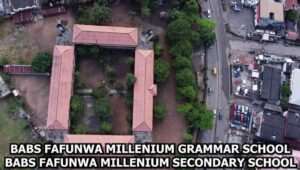
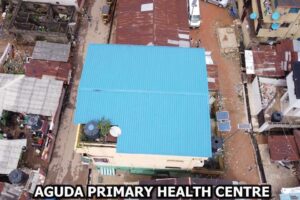
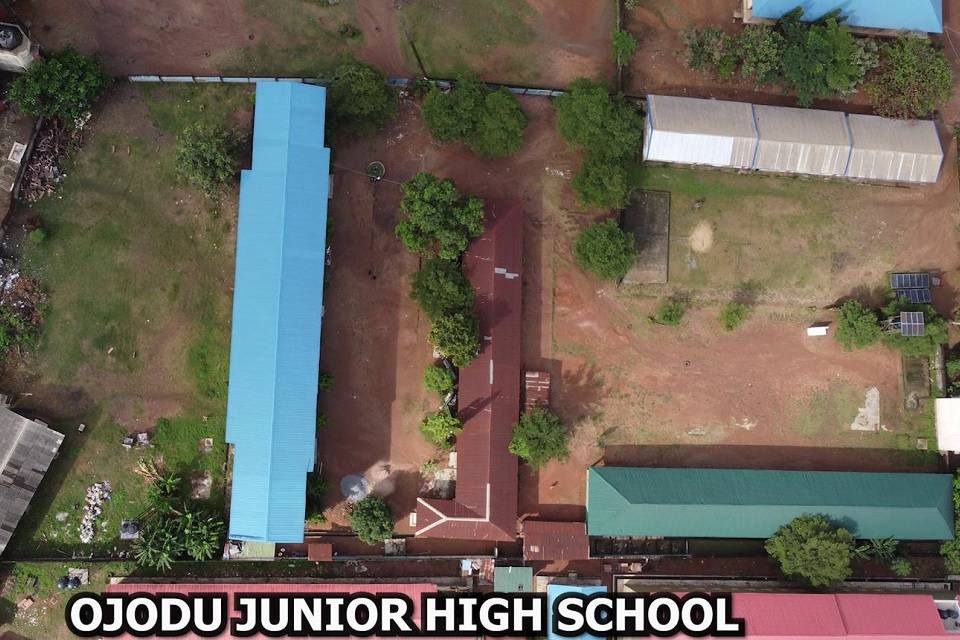
In the centre is a practical solution: the deployment of solar-powered energy systems in public schools and primary healthcare centres,
These facilities, long dependent on diesel or petrol generators, have struggled with unreliable power and mounting fuel costs.
By replacing fossil-fuel systems with clean, renewable energy, AI is not only cutting operational expenses but also creating a more stable and sustainable environment for students, patients, and frontline workers.
The benefits go beyond economics. The OIIP speaks directly to the ambitions of the Sustainable Development Goals—ensuring healthy lives (Goal 3), building inclusive, sustainable communities (Goal 11), and taking urgent action on climate change (Goal 13).
It also echoes the principles of the New Urban Agenda, which calls for cities to be more responsive, equitable, and prepared for the realities of a warming planet.
For the people of Ojodu, this project offers more than infrastructure—it offers a shift in how their future is imagined. Through careful planning, climate-conscious design, and a deep commitment to community well-being, AI is helping to build a city where progress and sustainability move forward together.
Ojodu, Lagos State, like many rapidly growing urban areas in Nigeria, faces significant development challenges driven by population growth and limited infrastructure. Public services such as healthcare and education are under increasing pressure, hindered by aging facilities, limited funding, and inadequate energy supply. Many institutions depend on diesel or petrol generators, which are costly, unreliable, and contribute to environmental degradation through greenhouse gas emissions and noise pollution. The lack of stable, clean energy restricts the functionality of essential services, affecting healthcare delivery and learning environments.
In parallel, the demand for improved infrastructure across all sectors remains high. Roads, power systems, and social facilities are either insufficient or poorly maintained, impacting quality of life and economic productivity. Youth unemployment is a growing concern, exacerbated by limited access to technical training and meaningful job opportunities. Capacity-building for young people is essential yet often underdeveloped.
Women and marginalized groups face systemic barriers to empowerment and participation in development. Coordinated action in healthcare, education, youth and women empowerment, and social infrastructure is urgently needed. Without investment in these areas, communities like Ojodu risk long-term socio-economic stagnation and increased vulnerability to shocks.
The Ojodu Infrastructure Improvement Project (OIIP) is designed to address persistent energy deficiencies affecting healthcare and educational facilities. The project focuses on the deployment of solar photovoltaic (PV) systems and battery storage solutions to provide stable, clean, and cost-effective energy. This intervention aims to improve the operational efficiency of public services while reducing dependence on fossil fuel generators and minimizing environmental impact.
In addition to infrastructure enhancement, the OIIP includes a capacity-building component targeted at local youths. Through structured technical training programs, participants acquire the skills needed to support the installation, operation, and maintenance of solar energy systems, fostering long-term self-sufficiency and local employment opportunities.
The OIIP is Lagos State’s first comprehensive infrastructure initiative by a City Council, aligned with the Ojodu LCDA’s “H.E.Y.S” agenda: Healthcare, Education and Skills, Youth and Women Empowerment, and Social Infrastructure Development.
The OIIP combines clean energy, technical training, and essential services to promote sustainable urban development, with potential for replication in other regions of Lagos and beyond.
The Ojodu Infrastructure Improvement Project (OIIP) incorporates strategic interventions aimed at addressing critical developmental challenges within the Ojodu LCDA.
One of the central components of the program is youth capacity building through technical training. In partnership with Kenol Nigeria Limited—an engineering firm specializing in mechanical, electrical, and communication services—Ojodu LCDA has launched a structured training initiative.
The program’s initial phase involves the selection and training of 15 youths from various wards across the LCDA over a four-year period. This long-term commitment is designed to foster local expertise, reduce youth unemployment, and promote technical self-reliance.
In parallel, Ojodu LCDA is collaborating with the European Investment Bank and the Gap Fund to implement solar-powered energy systems in public schools and primary healthcare facilities.
This intervention is expected to reduce operational costs, improve energy reliability, and lower carbon emissions. The solar installation project is also linked to the youth training initiative, providing practical internship opportunities that align skills development with real-world infrastructure deployment.
A recent multi-sectoral stakeholder engagement session involving residents and business owners provided a platform to present the scope and expected outcomes of the OIIP.
The feedback gathered reinforced the relevance of the planned interventions and highlighted strong community interest in their timely implementation.
Collectively, these actions demonstrate a coordinated and forward-looking approach to infrastructure development.
The integration of clean energy, technical education, and community engagement positions the OIIP as a model for inclusive and climate-conscious urban development with long-term social and economic impact.