

Cap-Haïtien, Haiti’s second-largest city, is alive with history, its colonial streets bustling with energy. But behind this vibrancy lies a crisis—a broken sanitation system struggling to keep pace with rapid urbanization. Waste overflows in streets and waterways, untreated sewage seeps into drinking water, and frequent flooding worsens the cycle of disease, pollution, and environmental decay.
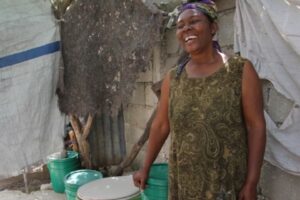
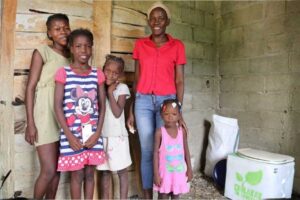
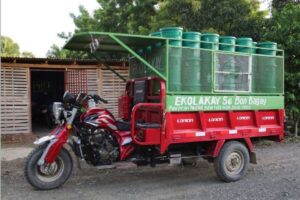
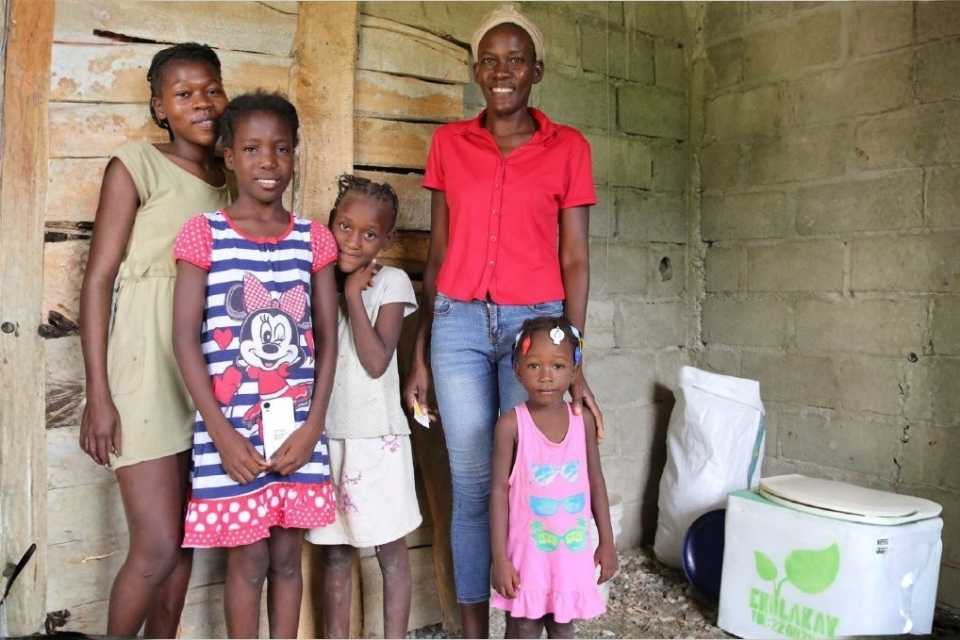
In response, Sustainable Organic Integrated Livelihoods (SOIL) is revolutionizing urban sanitation. Through its circular model, SOIL transforms human waste from a public health hazard into an asset. Its EkoLakay service provides thousands of families with container-based toilets—a dignified, climate-resilient solution in neighbourhoods where sewage systems don’t exist. Waste is collected weekly and transported to Haiti’s first ecological composting facility, where it is processed into nutrient-rich compost.
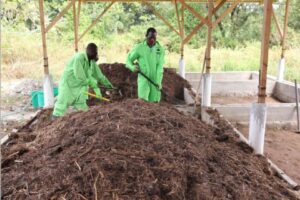
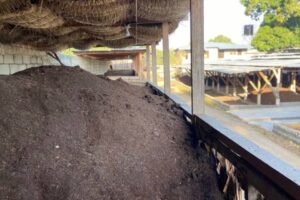
Unlike conventional treatment plants, SOIL’s thermophilic composting method is a low-energy, natural process that eliminates pathogens while restoring farmland. The compost improves soil fertility, enhances water retention, and reduces dependence on synthetic fertilizers, strengthening Haiti’s agricultural resilience.
Since pioneering container-based sanitation in 2009, SOIL’s model has been recognized by the World Health Organization and replicated in nine countries worldwide.
But its impact extends beyond sanitation—SOIL combats climate change (SDG 13), strengthens urban resilience (SDG 11), and fosters economic empowerment (SDG 1).
Each month, SOIL processes 50+ metric tons of waste, preventing contamination of water sources, while producing high-quality compost that supports reforestation and sustainable farming (SDG 2). The composting process also reduces greenhouse gas emissions, cutting ~1 ton of CO₂ equivalent per household annually.
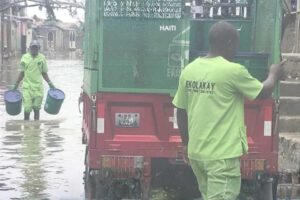
SOIL’s service is particularly vital for Cap-Haïtien’s flood-prone communities. Unlike traditional latrines that overflow in storms, SOIL’s sealed toilets prevent outbreaks of disease, providing safe and affordable sanitation for low-income families.
By partnering with Haitian government agencies, including the Ministry of Public Health and the Department of Sanitation, SOIL is laying the foundation for a nationwide, sustainable sanitation model. More than a service, SOIL’s approach reimagines waste as a resource, proving that sanitation can be a driver of ecological renewal and social progress—even in the most challenging urban environments.
Cap-Haïtien, once a flourishing port city, now faces an uphill battle against uncontrolled urbanization. As its population swells, makeshift settlements expand without proper planning, leaving thousands in impoverished urban communities with no access to basic services. Streets overflow with waste, and without a proper sewage system, raw sewage seeps into rivers, canals, and even the ocean, contaminating water sources and fuelling the spread of deadly waterborne diseases like cholera.
The city’s deficient sanitation infrastructure only deepens the crisis. Many residents rely on pit latrines that flood during heavy rains, spilling untreated waste into their homes and neighbourhoods. With no centralized wastewater treatment, the city’s fragile environment bears the brunt of human activity—turning once-thriving ecosystems into polluted wastelands.
Climate change looms like a relentless storm. Rising temperatures and stronger, more frequent hurricanes unleash torrential floods, washing away homes, destroying crops, and exacerbating food insecurity. The poorest suffer the most—struggling not only against disease and environmental degradation but also against economic disempowerment that leaves them trapped in an endless cycle of hardship.
With each storm, each flood, and each new wave of waste, Cap-Haïtien faces a stark choice: continue down this unsustainable path or embrace bold solutions that can turn crisis into opportunity.
SOIL is transforming Cap-Haïtien’s sanitation crisis into an environmental and economic opportunity through a circular economy model. Its EkoLakay household sanitation service provides container-based toilets to thousands of families in impoverished communities without sewage systems. Waste is collected weekly, safely sealed, and transported to Haiti’s first ecological composting facility, where it is processed into nutrient-rich compost using thermophilic methods.
Beyond providing safe and dignified sanitation, SOIL’s approach addresses urbanization, climate change, and food insecurity. The compost produced supports agriculture and reforestation efforts, enhancing soil fertility and reducing the need for synthetic fertilizers. Unlike conventional wastewater treatment, SOIL’s low-energy, nature-based process prevents environmental contamination, particularly during floods.
SOIL container-based sanitation is a model now recognized by the World Health Organization and adopted in nine countries. This system ensures that waste is safely managed, creating livelihood opportunities, strengthening urban resilience (SDG11), and promoting climate action (SDG13).
By treating 50+ metric tons of waste monthly, SOIL’s initiative shifts the focus from waste disposal to resource recovery, proving that sanitation can be both ecologically beneficial and economically sustainable.
SOIL’s sanitation services now reach over 18,000 individuals, providing in-home toilets to 3,000+ households in some of Haiti’s most vulnerable urban areas. Each year, 700+ metric tons of waste are removed from neighborhoods, and 225+ metric tons of compost are produced, actively restoring soil health and increasing climate resilience. The composting process significantly reduces greenhouse gas emissions, cutting ~1 ton of CO₂ equivalent per household per year compared to traditional sanitation methods.
Beyond environmental benefits, SOIL’s services are designed for climate resilience—a critical factor for Cap-Haïtien’s low-lying coastal communities. Unlike latrines, which overflow during flooding, SOIL’s container-based toilets can be sealed, preventing disease outbreaks during extreme weather events. Moreover, by offering an affordable, scalable solution, SOIL provides an entry point to sanitation for low-income households who would otherwise lack access to safe and dignified options.
Recognizing that sanitation is a public good, SOIL works closely with Haitian government agencies, including the Ministry of Public Health, Ministry of Agriculture, and the Department of Sanitation, to ensure long-term sustainability. Through strategic partnerships, SOIL is laying the foundation for a nationwide sanitation model—one that can be replicated in cities across the Global South where infrastructure limitations mirror those of Cap-Haïtien.
SOIL’s approach is not just about toilets—it is about creating a globally scalable model that bridges urban sanitation, environmental restoration, and economic empowerment. By reimagining waste as a resource, SOIL is proving that even in the world’s most challenging urban environments, sanitation can be transformed into a force for ecological and social progress.