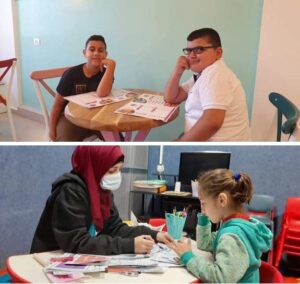
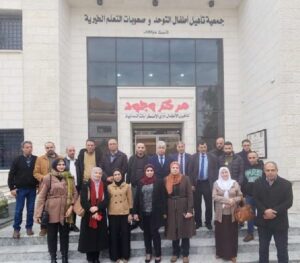

In 2009, a small but determined idea took root in the northern hills of the West Bank. It began with twenty children—each living with autism, developmental delays, or learning difficulties—who came through the doors of a modest centre in Tulkarm.
That centre was called Wojood. It wasn’t just a name; it was a promise: to provide presence, dignity, and care for children who had long been left at the margins.
What started as a humble effort to offer therapy, and support slowly began to grow. Over time, more families arrived, more children were welcomed, and the mission expanded beyond the walls of one building.
Today, Wojood Centre serves over 200 children from the Tulkarm and Qalqilya regions, offering treatment, continuous care, and a space where each child is seen, heard, and supported on their own terms.
But the journey does not end there.
A vision has emerged from this work—one shaped by daily encounters with the challenges families face, especially the strain of long-distance travel in a region where mobility is often limited.
This vision is Wojood Boarding School: a rehabilitative and educational school with overnight accommodation, dedicated to children with autism and developmental disorders from across the northern West Bank.
More than a school, it will be a place where children can live, learn, and grow in an environment tailored to their needs. Here, education and therapy will go hand in hand, and each child will have the stability and continuity they need to thrive—academically, socially, and emotionally.
To turn this vision into reality, Wojood is calling for the support of community leaders, civil organizations, and key partners, including the Municipality of Tulkarm and the Education Tax Committee.
Achieving these goals will require united action, but a strong foundation has already been built on the bravery of families, the unwavering commitment of caregivers, and the incredible resilience of the children.
Together, we can make a transformative difference in the community.
Tulkarm faces a growing and complex challenge in addressing the needs of children with autism, learning difficulties, and developmental disorders. The region lacks sufficient specialized institutions capable of providing appropriate care, education, and rehabilitation for this group. As a result, many children remain excluded from educational systems and social environments that are not equipped to accommodate their needs.
The integration of these individuals into society remains limited due to the absence of inclusive frameworks and tailored support structures. Without targeted programs, they often face isolation and limited opportunities for personal development or future independence.
A major concern is the scarcity of trained professionals who can deliver specialized therapeutic and educational services. The absence of qualified staff hinders early diagnosis, effective intervention, and continuous support, all of which are essential for improving long-term outcomes.
Families of children with these conditions often experience significant emotional, social, and financial strain. They are frequently left without access to proper guidance, respite care, or support networks. The lack of systemic backing further deepens their challenges, leaving many to navigate their children’s needs in isolation, with few resources to rely on in their efforts to provide adequate care and education.
The project is designed to address the needs of children and individuals with autism, learning difficulties, developmental disorders, and other disabilities through a comprehensive, multidisciplinary approach. Its primary objective is to provide therapeutic, educational, academic, psychological, and social support by establishing specialized residential centres.
A central goal of the initiative is the integration of these individuals into society by nurturing their talents and developing their creative, academic, and vocational abilities. To support this, the project includes the establishment of a dedicated kindergarten and private school tailored to their specific learning needs. Emphasis is also placed on reducing dependence on families and promoting personal autonomy.
The project also seeks to ease the financial burden on families by offering material and financial support. In parallel, it works to train qualified professionals to deliver specialized care and education.
The centre offers a wide range of services under the supervision of a multidisciplinary team, as early intervention, the development of individualized curricula, support for school integration, counselling services for families, and staff training. Additionally, it promotes research and the development of best practices in special education and related therapeutic fields to ensure continuous improvement and broader social impact.
The limited availability of institutions specializing in the care, rehabilitation, and treatment of children with autism and developmental disorders has created a significant gap in services across the region.
This shortage has underscored the urgent need to establish comprehensive centres equipped with rehabilitative and therapeutic facilities. Such centres aim to enhance the abilities of children with disabilities, enabling them to gain greater independence and facilitating their integration into society.
Ultimately, this contributes to transforming a marginalized group into an active, productive segment of the population capable of meaningful social and economic participation.
In response to this need, the first phase of constructing a model facility has been completed. This new centre includes specialized departments such as Speech Therapy, Autism Rehabilitation, and Educational and Rehabilitative Classrooms.
These units are designed to provide holistic care that addresses the varied and complex needs of children with developmental challenges.
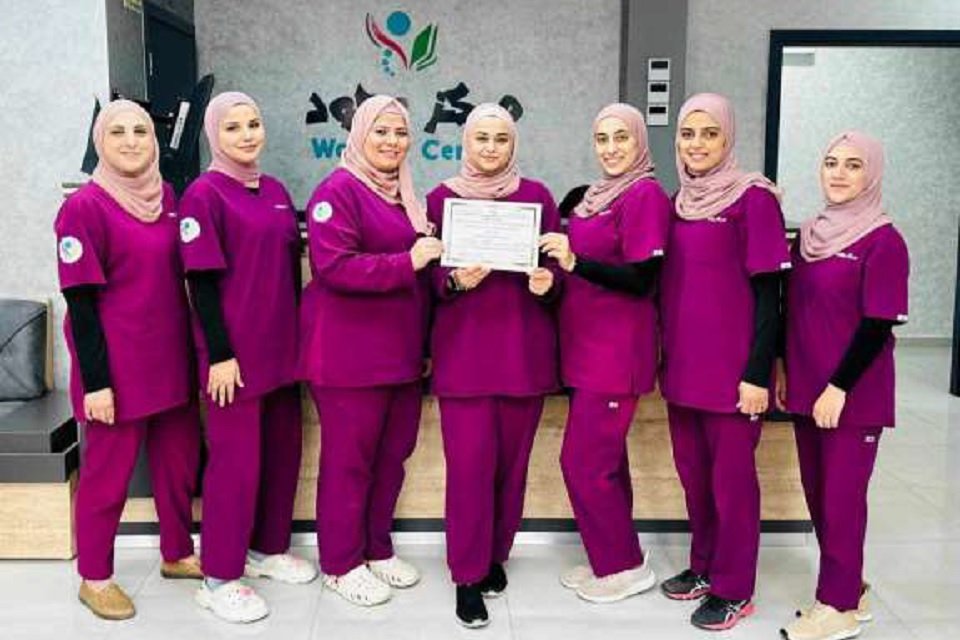
To ensure quality service delivery, the Association for the Rehabilitation of Children with Autism and Learning Difficulties has prioritized the recruitment of specialized professionals with proven expertise in therapeutic and educational interventions.
Their role is to design and implement individualized programs tailored to the children’s needs.
Through its network of Wojood centres—licensed under both the Ministry of Health and the Ministry of Education—the association currently serves approximately 160 children up to the age of sixteen.
These include children with autism, learning difficulties, mild to moderate intellectual disabilities, and cerebral palsy.
The services offered contribute significantly to their developmental progress and inclusion in community life.